Be yourself; Everyone else is already taken.
— Oscar Wilde.
This is the first post on my new blog. I’m just getting this new blog going, so stay tuned for more. Subscribe below to get notified when I post new updates.
Be yourself; Everyone else is already taken.
— Oscar Wilde.
This is the first post on my new blog. I’m just getting this new blog going, so stay tuned for more. Subscribe below to get notified when I post new updates.
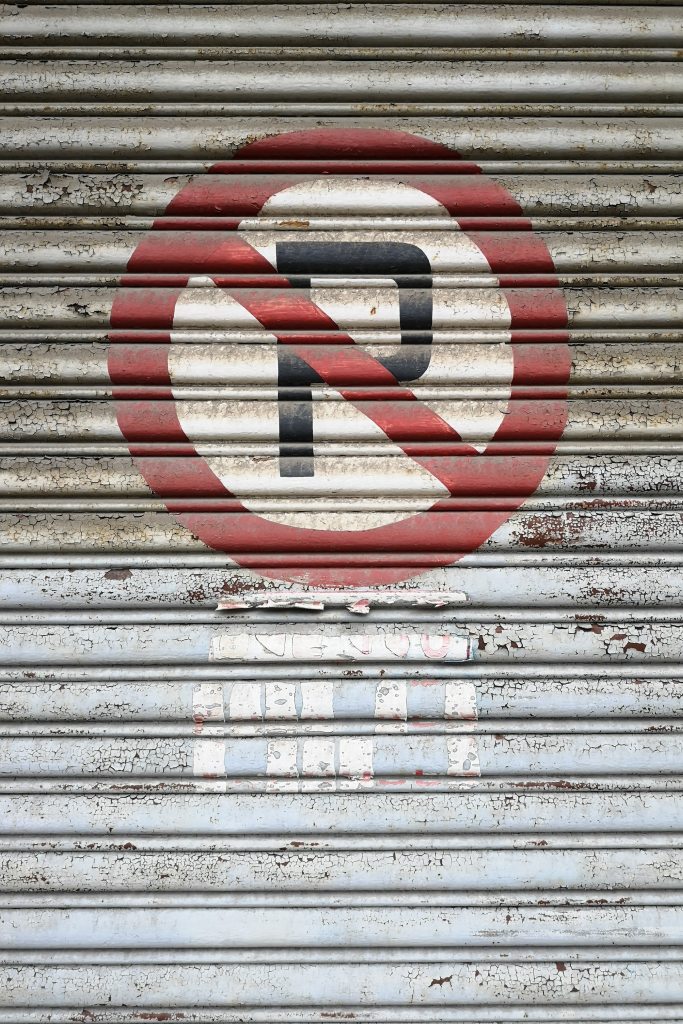
No matter how affluent you are in the Philippines, even if you’re a lawyer, in Manila no one is above traffic. For every major road, the baseline expectation is that it is traffic. Aside from traffic, another aspect of the road that no one is above is parking. In as much as driving a car in certain way can get you in trouble, stopping in a certain way can also earn you a ticket.
First, where is parking illegal? Here are general rules on where parking SHOULD intuitively be avoided.
Another more micro-subjective aspect of parking is laws in smaller units of governance like individual cities or barangays. While some barangays have NO PARKING signs put up exactly where it’s supposed to be illegal to park, other may implement laws like total non-parking on any road (you may only park in garages) and you can get clamped by local authorities for that that not even your lawyer in Manila can talk you free from. The same goes for regulations within private residential areas. General rule: if you are unsure. In some places like San Lorenzo Street in Makati, you can park on the street but for a fee and within a 3 hours limit.
Is it ok to park in front of your own driveway? In theory, you are not inconveniencing anyone but depending on how stiff enforcement is in a certain area, you might get ticketed for obstructing your own driveway or sidewalk.
So there you have it: you don’t need a lawyer in Manila to remind you how not to park; where you can and cannot park is pretty blunt and straight forward. Just always be thinking “will parking here cause someone else, on vehicle or on foot, any degree of inconvenience? If so, think twice. At any opportunity, pay for a legitimate parking spot instead of going rogue on where to park because you could be fined from P200 to P2000 depending on the violation anyway.
In our previous article, we talked about the Competition Act, Anti-distracted Driving Law, and Cybercrime Law. In this list, we finish off with 3 more popular laws in the last decade that will be the talk of legal service in the Philippines.
Responsible Parenthood and Reproductive Health Act of 2012 (Republic Act No. 10354)
Countries are reinforcing healthier and more responsible sexual relations among citizens, and in 2012, Philippines got on the same boat. But it wasn’t without contention; being the catholic country that we are, the RH Bill seems to have struck a chord for being “unnatural” and encouraging of premarital sex. The bill however, which aims to make contraception, sexual education, sexual health services, and maternal care among other, universally available.
Philippines Identity System Act (Republic Act No. 11055)
This act imposes that all citizens and foreign permanent residents of the country should have a national ID card and that’s pretty much it. Not every citizen has a default ID card especially since not all Filipinos have the privilege of formal employment; this act provides that everyone shall be issued and ID card which is beneficial for them, for national security, for any civil, social, and legal services that they might need in the Philippines. The bill was met with reluctance because it might open up a breach in the privacy of individuals.
Tax Reform for Acceleration and Inclusion Act (Republic Act No. 10963)Z
This is the first of of four packages that aims to reform tax implementation under the Comprehensive Tax Reform Program. The law, more (in)famously known as the TRAIN Law, reduced personal income tax for and greatly augmented consumption tax. In a nutshell, income tax is projected to drop to 15% by 2023 while excise tax, VAT, and other consumption taxes are going to be incrementally raised every year. This drew flak especially sans formal employees, people in informal sectors don’t get the benefit of reduced income tax but are burdened by inflated consumption tax that is being imposed on commodities.
Although availing of legal services in the Philippines can do very little to create a change on these 3 laws, but hopefully with better governance as well as more vigilant and comprehensive law creation and implementation, we can look towards a new decade that has a positive difference.
This is an example post, originally published as part of Blogging University. Enroll in one of our ten programs, and start your blog right.
You’re going to publish a post today. Don’t worry about how your blog looks. Don’t worry if you haven’t given it a name yet, or you’re feeling overwhelmed. Just click the “New Post” button, and tell us why you’re here.
Why do this?
The post can be short or long, a personal intro to your life or a bloggy mission statement, a manifesto for the future or a simple outline of your the types of things you hope to publish.
To help you get started, here are a few questions:
You’re not locked into any of this; one of the wonderful things about blogs is how they constantly evolve as we learn, grow, and interact with one another — but it’s good to know where and why you started, and articulating your goals may just give you a few other post ideas.
Can’t think how to get started? Just write the first thing that pops into your head. Anne Lamott, author of a book on writing we love, says that you need to give yourself permission to write a “crappy first draft”. Anne makes a great point — just start writing, and worry about editing it later.
When you’re ready to publish, give your post three to five tags that describe your blog’s focus — writing, photography, fiction, parenting, food, cars, movies, sports, whatever. These tags will help others who care about your topics find you in the Reader. Make sure one of the tags is “zerotohero,” so other new bloggers can find you, too.
The living climate in the Philippines is always greatly affected by the re laws that our lawyers, lawmakers, and executive leaders pass and implement. In the last 10 years, there are plenty of laws that go as big as the “processing” of drug users and abusers to as small-scale such as the founding of new barangays. Before the decade ends, let’s look at some of the most notable laws that garnered much attention in the past 10 years. This list by any means is not definite or characteristic of anything other than popularity so read it with a grain of salt.
Philippine Competition Act (Republic Act No. 10667)
The first item on the list was passed keeping in mind the ability of any business to be able to compete fairly in the Philippine market. The law prohibits anti-competitive agreements meaning that no one business may be allowed to only monopoly of any industry in the country. Up until implementation, the Philippines was the only country in the ASEAN that is yet to have a competition law.
Cybercrime Prevention Law (Republic Act No. 10175)
The Cybercrime Prevention Law or more commonly known as just Cybercrime Law is concerned with criminality and violating behavior within the Philippines’ cybernetic area of responsibility, defining offenses such as cybersex, child pornography, identity theft, cyber libel, and more. The Pinoy internet community was quick to cry foul over this one mainly because initial press regarding the topic made it seem like any opposing tone taken against the government can put you the slammer! But alas, you won’t need a lawyer in the Philippines for criticizing your barangay captain like we grossly misunderstood prior.
Anti-Distracted Driving Act (Republic Act No. 10913)
This is one of those laws that imposed very rigid limitation and ended up being revised for practicalities sake. The law was originally imposed restriction to any and all use of mobile device or any electronics while driving so much that any devices as well as dashcams were outlawed. Not only was this not practical but industries that were efficient because of these accessories like the phone holder needed to rethink their business like Grab, Angkas, and most other deliver services. The law was revised to be more lenient and reasonable thereafter.
And those are the first 3 of our list of very notable laws in the last decade. Sure, not all of them seemed very well crafter at first but certainly, all of them aim to provide a safer economic and civil space for us Filipinos. To remind you, cybercrimes are criminal offenses and you will need a lawyer in the Philippines to get you out of a jam; the other 2 sway on the more civil side of the system.

 Lawyering in the Philippines